How to Care for Prayer Plants
Learn how to care for prayer plants, including calathea and maranta, with our comprehensive guide. Discover the best light conditions, watering tips, and solutions to common issues to keep these stunning plants thriving. Ideal for plant enthusiasts and pet owners, our guide covers popular varieties like the Rattlesnake, Ornata, and Lemon Lime Maranta. Enhance your green space with these beautiful, non-toxic plants.
Today, we’re diving into the wonderful world of prayer plants. These captivating plants, including calathea and maranta, are not only visually stunning but also have a unique feature that makes them a favorite among plant lovers. Their leaves fold upward at night, resembling hands in prayer, and then relax back down during the day. Let’s explore how to care for these beauties to keep them thriving in your home.
Understanding Prayer Plants
Prayer plants are beloved for their vibrant foliage and mesmerizing movements. The leaves of these plants display a range of colors and patterns, making them a striking addition to any space. Popular varieties include the rattlesnake, ornata, makoyana, lemon lime maranta, and stromanthe triostar. Each of these varieties has its own unique charm, but they all share similar care requirements.
Light Requirements
One of the key aspects of keeping your prayer plants happy is providing the right amount of light. These plants thrive in medium bright, indirect light. They are native to the understory of tropical forests, where they receive filtered sunlight through the canopy. Direct sunlight can scorch their delicate leaves, so it’s essential to place them in a spot where they receive plenty of indirect light. A north or east-facing window is ideal, or you can use sheer curtains to diffuse the light from a south or west-facing window.
Watering and Humidity
Prayer plants have specific watering needs that must be met to keep their leaves vibrant and healthy. They prefer their soil to be consistently moist, but not waterlogged. Overwatering can lead to root rot, so it’s crucial to find the right balance. Water your prayer plants when the top inch of soil feels dry to the touch. Using room temperature water is best, as cold water can shock the roots.
These plants also thrive in high humidity. If the air in your home is dry, especially during the winter months, consider using a humidifier or placing a tray of water near the plant to increase humidity. Grouping your prayer plants together can also help create a more humid microenvironment. Misting the leaves can provide a temporary boost in humidity, but be careful not to overdo it, as excessive moisture on the leaves can lead to fungal issues.
Common Issues and Solutions
Despite your best efforts, you might encounter some common issues when caring for prayer plants. Here are a few problems and their solutions:
- Crisping or Brown Tips: This can occur if the plant dries out for too long or if the humidity levels are too low. Ensure consistent watering and increase humidity around the plant.
- Yellow Leaves: Overwatering or poor drainage can cause the leaves to turn yellow. Check the soil moisture and ensure the pot has proper drainage.
- Leaf Curling: This is often a sign of underwatering or low humidity. Adjust your watering schedule and boost the humidity levels.
Pet-Friendly Plants
One of the many reasons prayer plants are popular is their pet-friendly nature. They are non-toxic to cats and dogs, making them a safe choice for households with furry friends. You can enjoy the beauty of these plants without worrying about your pets nibbling on their leaves.
Popular Prayer Plant Varieties
Let’s take a closer look at some of the popular varieties of prayer plants that you can add to your collection:
- Rattlesnake (Calathea lancifolia): Known for its long, wavy leaves with dark green markings that resemble a rattlesnake’s skin.
- Ornata (Calathea ornata): Features striking pink stripes on its dark green leaves.
- Makoyana (Calathea makoyana): Also known as the peacock plant, it has feather-like patterns on its leaves.
- Lemon Lime Maranta (Maranta leuconeura): Displays bright green leaves with lemon-yellow stripes.
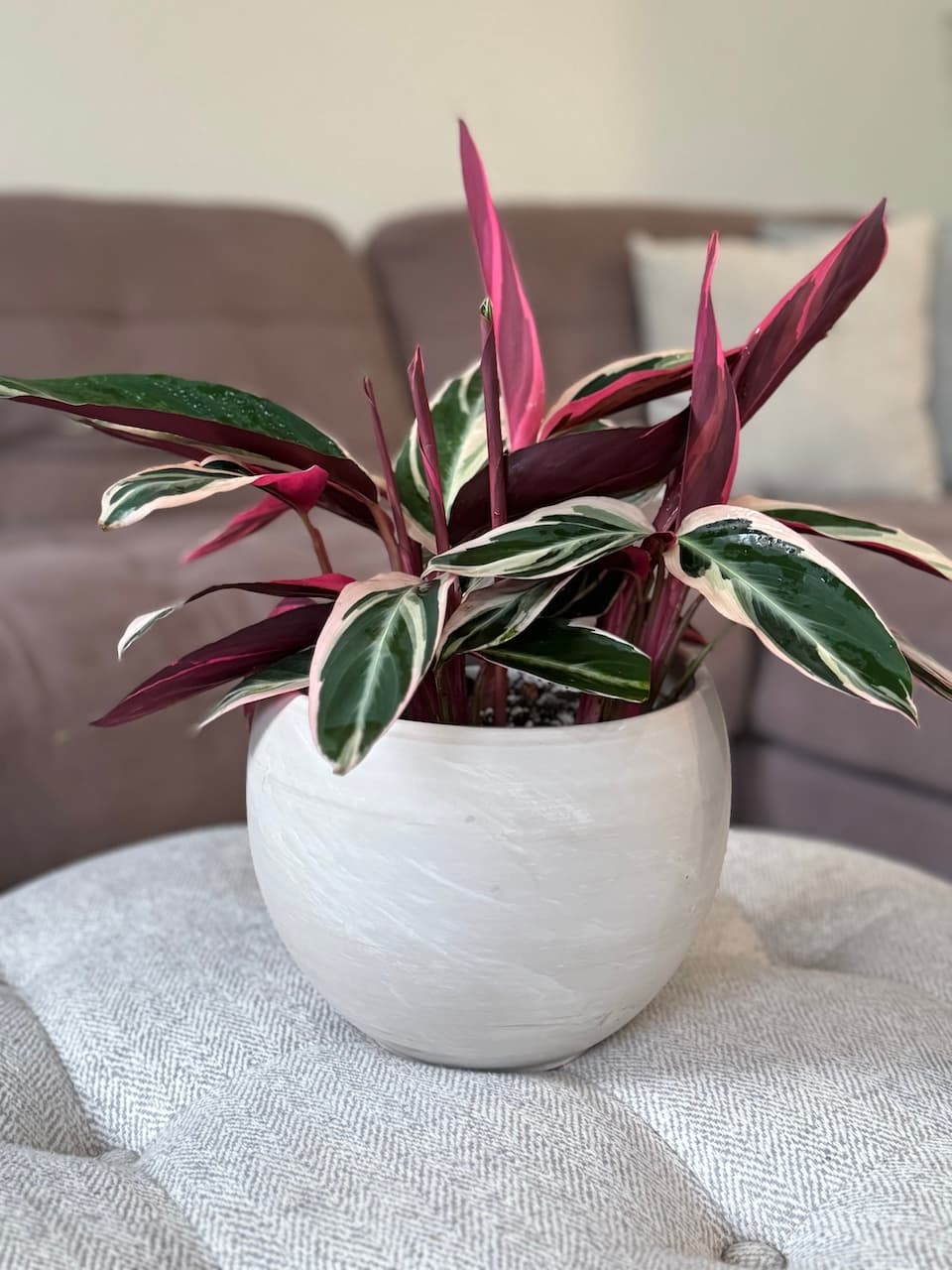
- Stromanthe Triostar: Boasts a mix of green, cream, and pink foliage, making it a colorful addition to any space.

Care Tips:
- Light: Medium bright, indirect light. Avoid direct sunlight.
- Water: Keep the soil consistently moist; high humidity is beneficial.
- Common Issues: Drying out can cause crisping or brown tips.
- Pet Friendly: Yes
Caring for prayer plants can be a rewarding experience, as their striking foliage and unique leaf movements add a touch of elegance to your home. By providing the right light, consistent moisture, and high humidity, you can ensure that your prayer plants thrive and bring joy for years to come. Remember, every plant is unique, so observe your prayer plant closely and adjust your care routine as needed.